Collaborative Design: Best Practices for Team Alignment
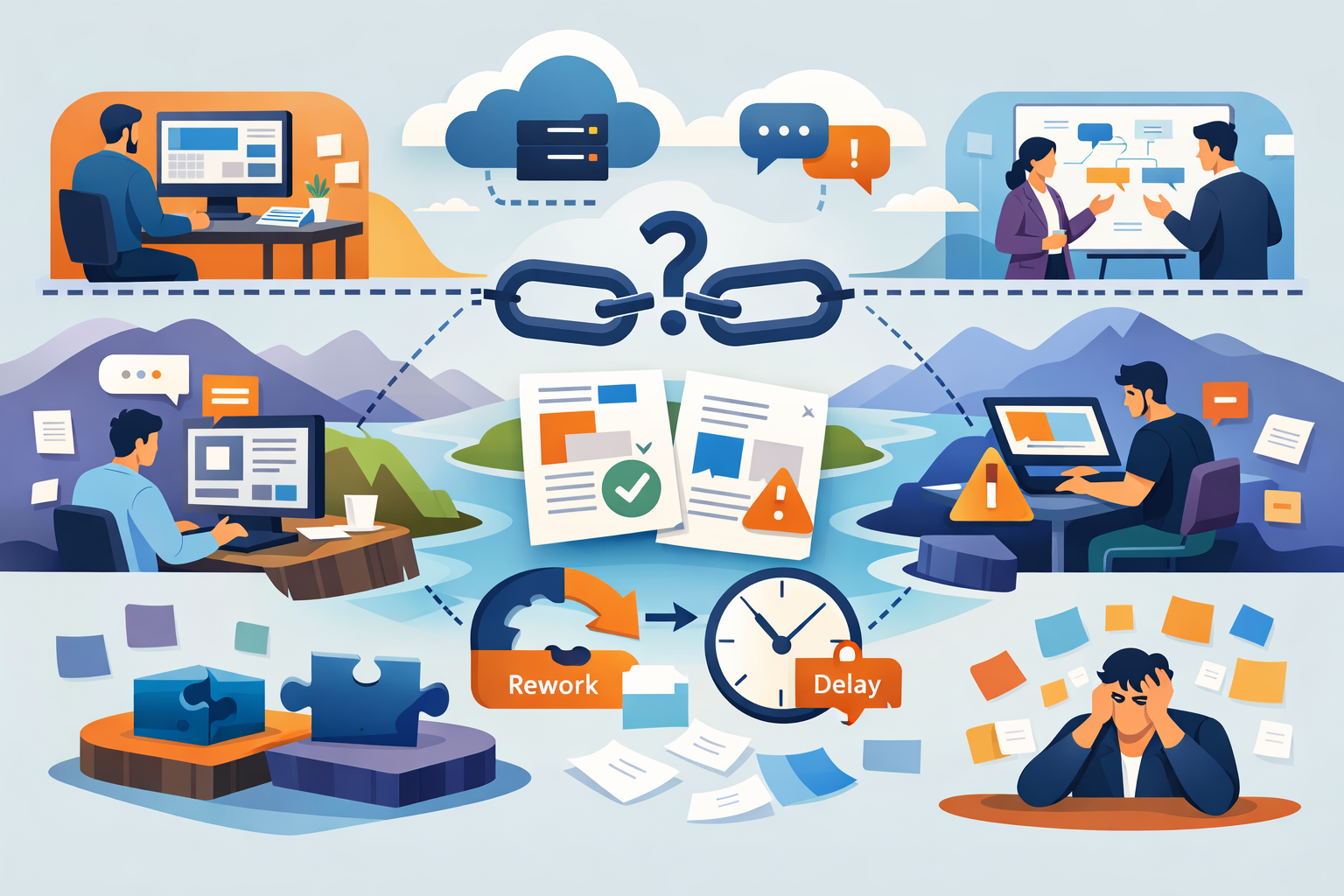
In today's fast-paced development cycles, collaborative design is paramount. However, many organizations struggle with achieving true team alignment, leading to significant inefficiencies. Teams often operate in silos, unaware of the broader project context or the work being done by parallel groups. This fragmented approach can result in designs that are inconsistent, difficult to integrate, and ultimately fail to meet overarching project objectives. The lack of a unified vision can quickly derail even the most promising initiatives, creating frustration among contributors.
A common symptom of poor alignment is the constant need for rework. Designers might spend considerable time on a component only to find it clashes with another team's output, necessitating extensive revisions. This not only consumes valuable resources but also pushes project timelines back, impacting overall delivery schedules. The ripple effect of these delays can be substantial, affecting subsequent phases of development and testing. Stakeholders often express dissatisfaction when initial expectations for progress are not met due to these internal friction points.
Miscommunication acts as a significant barrier to effective collaborative design. Without clear channels and consistent updates, critical information can be lost or misinterpreted. This often manifests as conflicting design choices or duplicated efforts, where different team members inadvertently solve the same problem in isolation. The absence of a shared understanding of design principles and project goals creates a breeding ground for misunderstandings, making it challenging to maintain coherence across complex projects. Ensuring everyone is on the same page is a constant battle.
Furthermore, the absence of a centralized repository for design assets and documentation exacerbates these issues. Teams may work with outdated versions of files, leading to errors and further rework. The effort required to locate the correct information or understand the latest design iterations can be a major time sink. This lack of a single source of truth undermines confidence in the design process and makes it incredibly difficult to audit or track changes effectively. Establishing a robust system is essential for maintaining integrity.
Root Causes of Design Disconnect
- Lack of Standardized Workflows: Without clearly defined processes for design iteration, feedback, and approval, teams often improvise, leading to inconsistencies and bottlenecks. This ad-hoc approach can slow down decision-making significantly.
- Inadequate Communication Tools: Relying on informal chats or scattered emails makes it challenging to track decisions, share comprehensive feedback, and ensure all relevant parties are informed. Critical details are easily overlooked.
- Undefined Roles and Responsibilities: Ambiguity about who is responsible for specific design elements or decisions can lead to overlaps, gaps, and a general reluctance to take ownership, hindering progress and accountability.
Strategies for Enhanced Team Alignment
To overcome these challenges, organizations must adopt proactive strategies that foster true collaborative design. One fundamental approach is to implement standardized communication protocols. This involves establishing clear guidelines on how and when teams should communicate, specifying preferred tools, and defining regular check-in points. For instance, daily stand-ups or weekly design reviews can ensure everyone is aware of ongoing progress and potential roadblocks. A consistent communication rhythm helps build a shared understanding and proactively addresses emerging issues before they escalate. This structure is vital for large, distributed teams.
Another crucial solution is the establishment of clear roles and responsibilities for every team member involved in the design process. Each designer should understand their specific contribution, decision-making authority, and dependencies on others. This clarity minimizes duplication of effort and ensures accountability. Defining a clear owner for each design component or feature helps streamline feedback loops and approvals, accelerating the overall design cycle. When everyone knows their part, the collective effort becomes more cohesive and directed towards common objectives, enhancing overall project flow.
Leveraging integrated design platforms and tools is indispensable for modern collaborative design. Solutions that offer a centralized repository for design assets, version control, and real-time collaboration features can dramatically improve alignment. Such platforms allow multiple designers to work on the same project simultaneously, seeing each other's changes instantly and providing immediate feedback. The DraftStandard Library provides an excellent example of how a unified environment can streamline workflows and ensure everyone is always working with the most current information. This technological backbone is critical for maintaining design integrity and consistency across the entire project lifecycle.
Beyond tools, fostering a culture of open feedback and continuous iteration is essential. Teams should be encouraged to share early drafts, solicit constructive criticism, and iterate rapidly based on input from peers and stakeholders. This iterative process, supported by robust version control, helps refine designs collaboratively and ensures they meet diverse requirements. By embracing feedback as a valuable input rather than criticism, teams can collectively elevate the quality and effectiveness of their design outputs. This cultural shift transforms how teams approach their work.
Implementing a robust system for knowledge sharing and documentation is also paramount. All design decisions, rationales, and key learnings should be meticulously documented and made easily accessible to the entire team. This prevents institutional knowledge from being lost when team members transition and ensures new contributors can quickly get up to speed. A well-maintained knowledge base serves as a valuable reference point, reducing reliance on individual memories and promoting consistency across projects. This practice ensures that design insights are preserved and leveraged for future endeavors.
Potential Risks and Mitigation
- Resistance to Change: Implementing new workflows or tools can meet initial pushback from teams accustomed to existing methods. Recommendation: Provide comprehensive training, clearly communicate the benefits, and involve team members in the transition planning to foster ownership.
- Initial Productivity Dip: Learning new systems or adjusting to new protocols might temporarily slow down progress. Recommendation: Plan for a transition period with reduced workloads, offer dedicated support, and celebrate early successes to maintain momentum.
- Tool Integration Challenges: Ensuring new design platforms seamlessly integrate with existing project management or development tools can be complex. Recommendation: Conduct thorough compatibility assessments, phased implementation, and engage technical experts like those at DraftStandard Library for smooth integration.
3 Comments
Alex Patel
This article provides a very clear breakdown of common design collaboration issues. The structure is easy to follow and the proposed solutions seem quite practical.
Cheryl Brown
I agree. The emphasis on clear roles and standardized communication really resonates with my team's recent challenges. It's a good reminder of fundamental best practices.
Manuel Cruz
The section on potential risks is a thoughtful addition. It's important to anticipate these hurdles when trying to implement new processes.
Leave a comment