Building Precision: Strategies for Flawless Technical Documentation
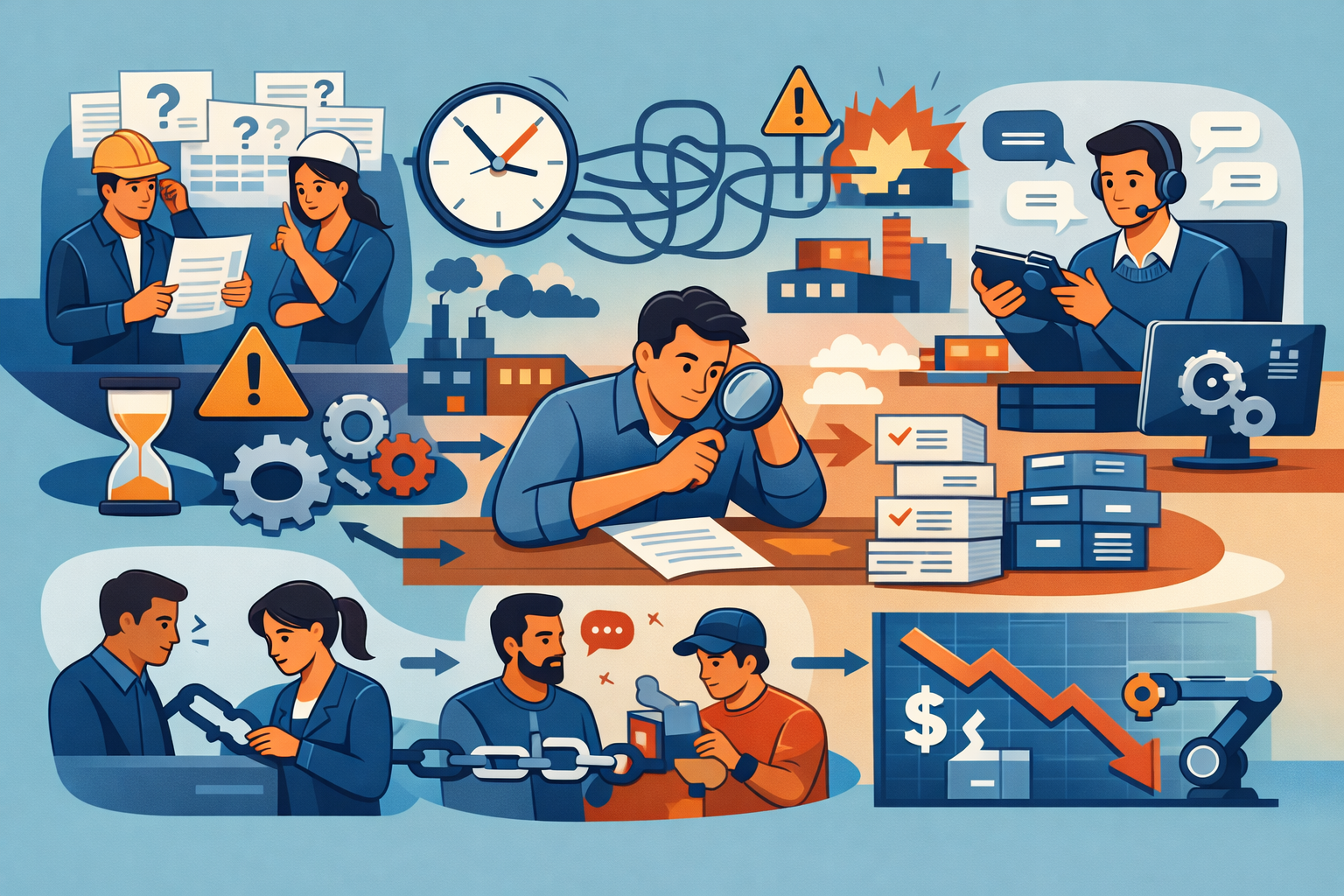
In modern technology and engineering, precise technical documentation is paramount. Many organizations struggle with content lacking necessary accuracy, leading to widespread confusion, operational slowdowns, and inefficiencies across teams. This deficiency hinders overall progress and collaboration, impacting project timelines and project integrity.
A direct result of ambiguous technical content is the constant demand for clarification. Teams waste valuable time deciphering unclear instructions, diverting experts from core tasks. This not only erodes productivity but also introduces significant operational risks, especially where safety and compliance are critical, potentially leading to costly liabilities and setbacks.
The impact extends directly to the user experience. Customers facing poorly written manuals or incomplete support documentation become frustrated, increasing support inquiries and diminishing product perception. Clear, concise technical communication is vital for both internal efficiency and external stakeholder satisfaction, significantly affecting overall brand value.
Root Causes of Documentation Challenges
- Inconsistent Processes: Lack of standardized creation and review leads to varied quality, fragmented efforts, and inconsistent terminology, hindering effective documentation use and maintenance.
- Limited SME Access: Insufficient engagement with subject matter experts results in assumptions, causing documentation to miss crucial technical details and accuracy, reducing its practical utility.
Strategies for Enhanced Documentation Precision
Achieving truly flawless technical documentation requires a strategic commitment to clarity and consistency. By implementing targeted solutions, organizations can elevate their content to a reliable foundation for operations and innovation. Here are three key strategies to build precision into every aspect of technical communication.
1. Establish Comprehensive Content Standards
Developing and rigorously enforcing a detailed style guide and terminology glossary is fundamental. This ensures all contributors use a consistent voice, tone, and vocabulary, minimizing ambiguity and enhancing readability. Standardization creates a unified, professional content experience for all users.
2. Implement Collaborative Authoring Workflows
Fostering closer collaboration between technical writers and subject matter experts (SMEs) is crucial. Dedicated feedback channels and regular review cycles ensure technical accuracy at every stage. This iterative process integrates expert knowledge, allowing early error identification and correction, thereby improving overall efficiency.
3. Adopt Advanced Documentation Tools and Automation
Investing in sophisticated documentation platforms can revolutionize content creation and management. These systems offer intelligent content reuse, single-source publishing, and robust search functions. Automating repetitive tasks and enabling modular content drastically reduces manual effort and errors, ensuring current and accurate documentation, a principle upheld by DraftStandard Library.
Potential Risks and Mitigation
- Resistance to Change: Teams may resist new documentation processes. Recommendation: Secure early buy-in through clear communication, comprehensive training, and showcasing long-term benefits.
- Resource Constraints: Limited time and staff for documentation improvements. Recommendation: Prioritize key areas, start with small pilot projects, and demonstrate value. Consider external expertise from DraftStandard Library for specialized support.
0 Comments
Leave a comment